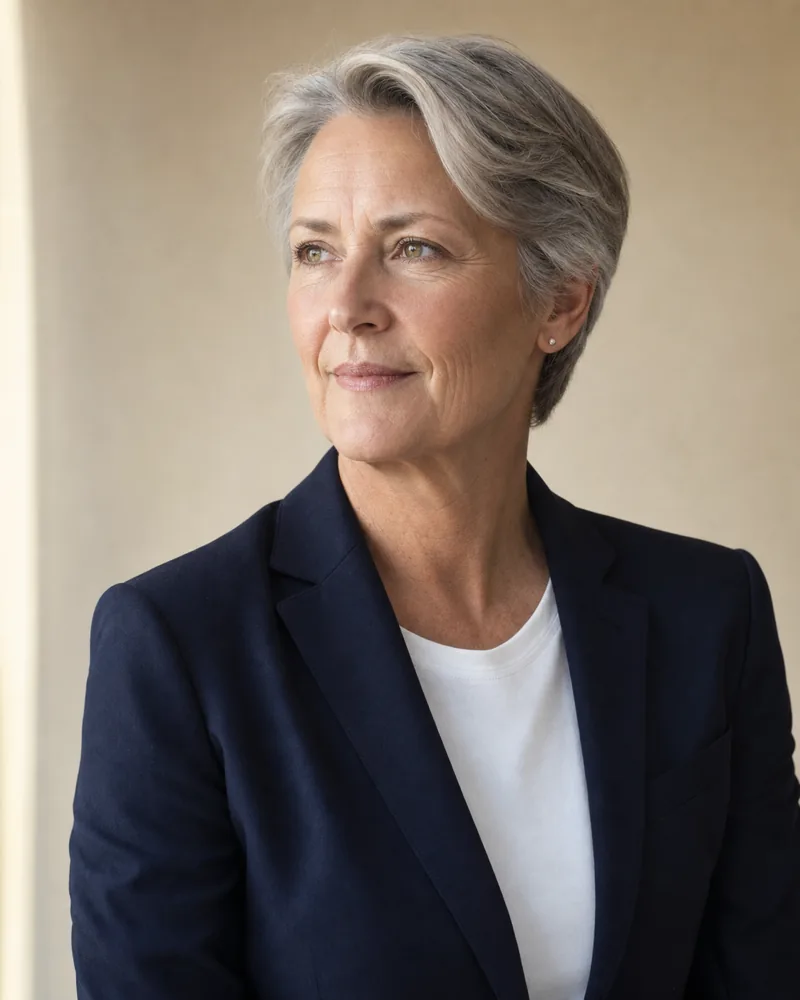
№ 01The Faculty
The 2026 faculty.
Ten senior practitioners across strategy, governance, communication, technology, and negotiation. We do not sell speaking slots. Every speaker is invited on the strength of their work.

Dr Aisha Okonkwo
Adjunct Professor of Organisational Behaviour
London School of Economics
Dr Aisha Okonkwo is adjunct professor of organisational behaviour at the London School of Economics, where she teaches a small graduate seminar on attention in large organisations. She trained as an experimental psychologist at Ibadan and Nottingham, spent six years inside two FTSE 100 organisations as a research fellow embedded in the chief executive's office, and now writes a quarterly academic note that is read mostly by people who should not need it.
Her work has been cited in two select-committee reports, and she is a trustee of a small literacy charity in south London. Aisha chairs Think Professionally's flagship conference each October, and is known for chairing that does not let a session settle for the easier conversation.
She lives in Forest Hill.
Most organisations do not have an information problem. They have an attention problem dressed up as one.
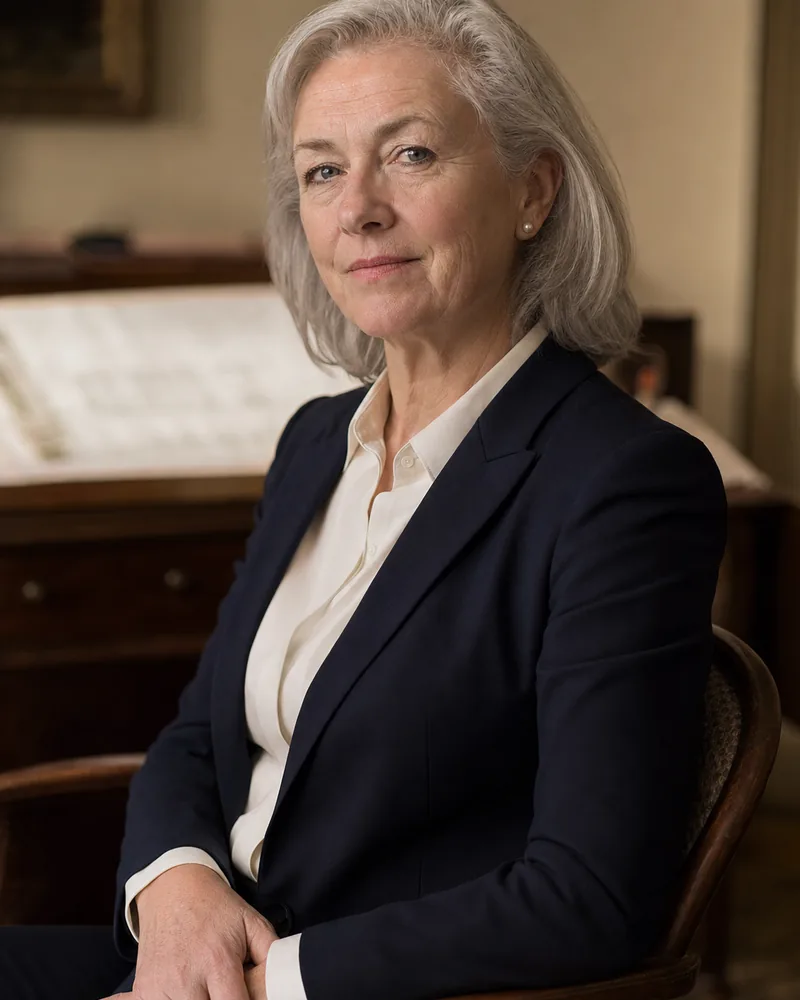
Margaret Holroyd
Non-Executive Director
Holroyd Cleaver Group; three FTSE 250 boards
Margaret Holroyd chaired Holroyd Cleaver Group, a mid-cap engineering business, for eleven years before stepping into a portfolio of non-executive roles across three FTSE 250 boards. She trained as a chartered engineer, came up through manufacturing in the West Midlands, and is one of the few chairs who will say in print what most only say in private.
She writes a quarterly note on board practice for a small private circulation and has chaired the audit committee of a regulator that she declines to name. Margaret is firm about the difference between governance and theatre, and she is patient with first-time chairs who are still working out which is which.
She lives in the Welsh Marches, grows roses badly, and reads more biography than is healthy.
A board paper that takes twenty minutes to read tells you what the executive does not yet want to say.
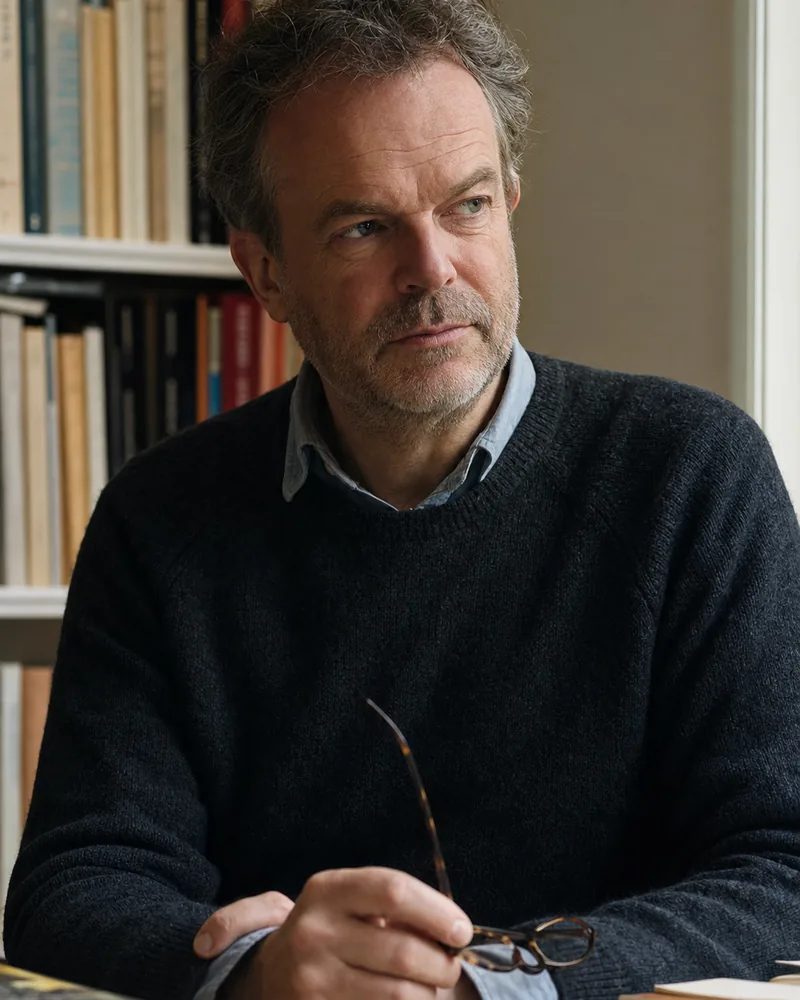
Ellis Caine
Independent Technology Commentator
Formerly Financial Times
Ellis Caine spent nine years as technology editor at the Financial Times before going independent in 2023. He now writes a fortnightly note read by board directors and senior civil servants, advises two strategy firms on technology procurement, and refuses to be called a thought leader in print or in person.
His reporting on the early commercial AI rollouts of 2024 and 2025 set the line that most boardrooms quietly followed, and he has a reputation for asking the question that the rest of the room was thinking but would not raise. Ellis trained as a classicist before falling into business journalism in his late twenties, and that background shows in his prose.
He lives in Tufnell Park.
The product demo is designed to make you stop asking the procurement question. It is working.
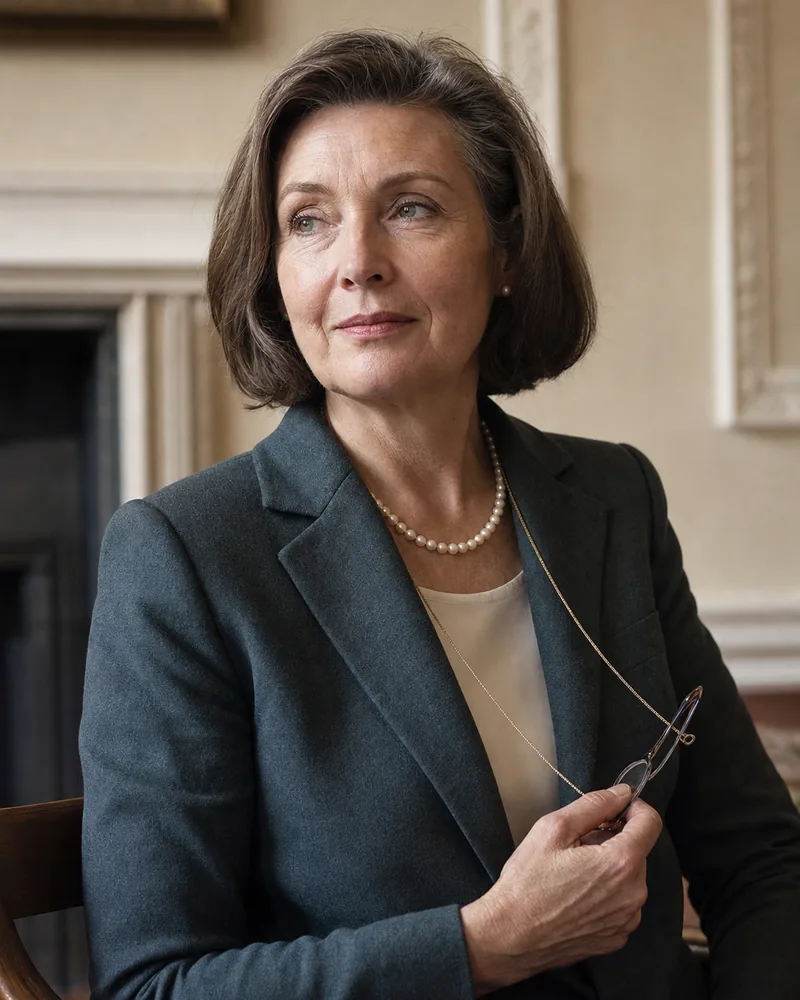
Eleanor Vaisey
Former Director General
Treasury and Cabinet Office
Eleanor Vaisey was a director general at HM Treasury and the Cabinet Office across two administrations, with responsibility ranging from financial stability to digital government. She joined the civil service from a clerkship in chambers and stayed for twenty-eight years, which she describes as longer than she intended and shorter than she should have.
Since leaving the service in 2024 she has taken non-executive roles at two regulators, chaired a small leadership institute in Edinburgh, and written for the Institute for Government on the question of how senior officials hold the line when ministers do not want them to. She is one of the few former permanent secretaries Think Professionally has worked with who will say in print what she said in the corridor.
The regulator is not your obstacle. The regulator is the one reading your filings most carefully, and that is supposed to be a comfort.
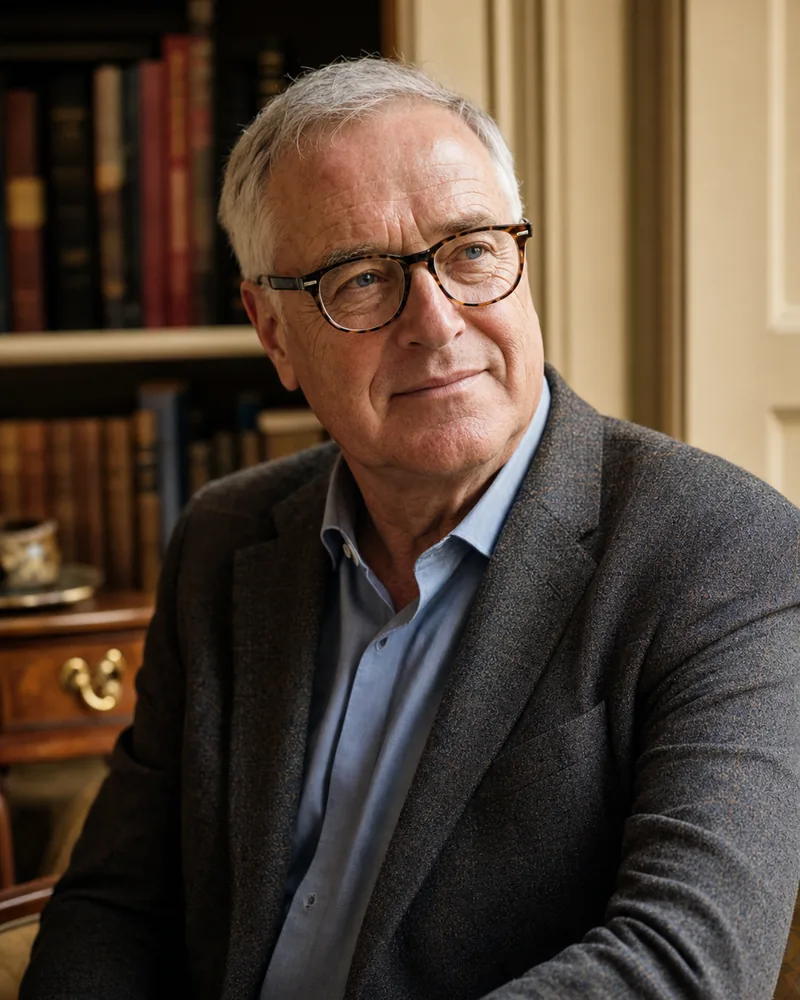
Niall Brennan
Chief Executive, Retired
Formerly Brennan Hughes Insurance
Niall Brennan led Brennan Hughes, a Dublin-headquartered specialty insurer, for fourteen years before retiring in 2024. He took the company from a domestic Irish operation into thirteen markets, and stepped down the morning the integration of its largest acquisition was signed off.
He now writes a small private letter on company-building, sits on the council of a Dublin literary institute, and runs an annual reading group for first-time chief executives that is invitation-only and is the worst-kept secret in the trade. Niall is the speaker our alumni most often write to us about afterwards.
He says less than the average chief executive, and what he does say tends to be quoted back to you a year later by someone who has stopped attributing it to him.
Most chief executive memos are written for the wrong meeting. The one you should be writing is for the meeting after the one you are in.

Tomas Eriksson
Independent Commercial Negotiator
Formerly senior in-house counsel, two cross-border groups
Tomas Eriksson trained at Uppsala and Cambridge before moving in-house at a Swedish industrial group, where he spent twelve years and led their major commercial negotiations across Europe and North America. He moved to a UK-listed engineering group as senior in-house counsel in 2014 and went independent in 2021.
He now advises principals in cross-border negotiations, teaches occasionally at the Strathclyde MBA, and writes for the Harvard Negotiation Law Review. Tomas has negotiated in more than forty jurisdictions and has the dry patience that comes from having sat across the table from people who were trying very hard to take advantage of him.
He lives in Hackney with his partner and a cat called Almanac. Almanac is mentioned more often in his prose than is strictly necessary.
You can negotiate against the document or against the counterpart. Almost no one does both well, and it costs you most when you think you are.
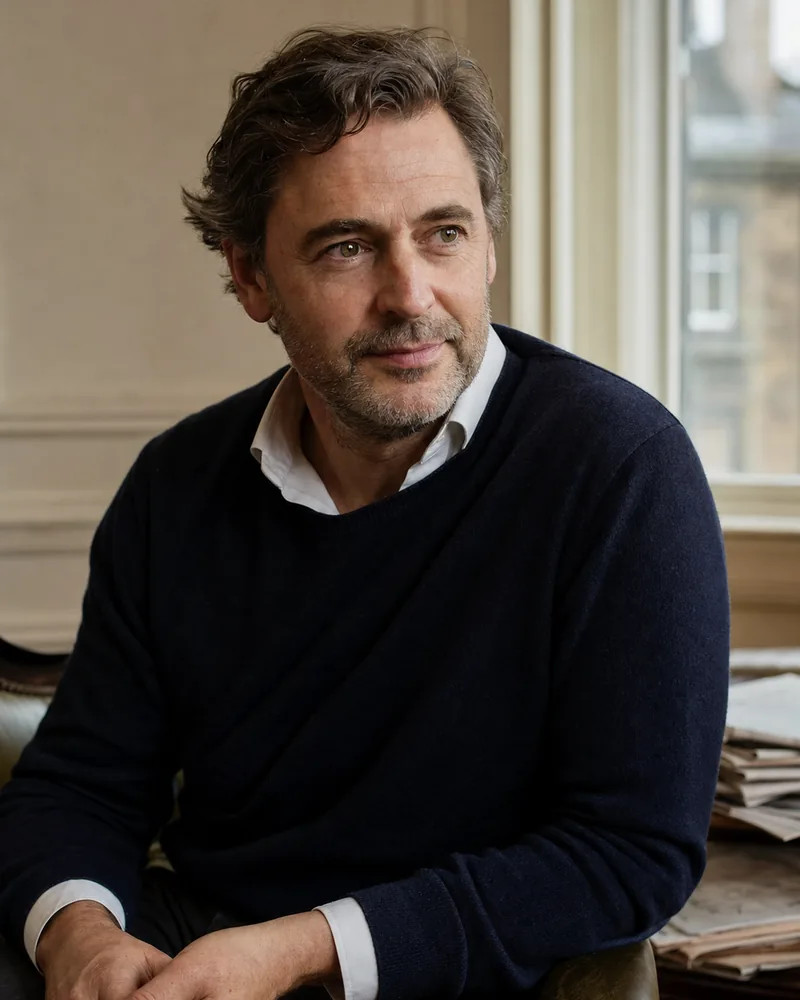
Padraig Whelan
Communications Adviser
Formerly Group Communications Director, two FTSE 100 companies
Padraig Whelan led group communications at two FTSE 100 companies over a fifteen-year executive career, one in retail and one in financial services. Before that he was the senior speechwriter at a major UK bank, and earlier still a leader writer at a Sunday paper that no longer exists.
He writes a small private newsletter on business prose, teaches occasionally at the Strathclyde MBA, and is one of the few practitioners who will tell you, in print, when a sentence is doing less work than the writer thinks. He grew up in County Galway, moved to Glasgow at nineteen, and has worked across both sides of the Irish Sea since.
He chairs Think Professionally's Boardroom Letters programme.
The chief executive's letter is read for tone first and substance second. Most directors of communications have that the wrong way round.

Catriona MacIntyre
Leadership Coach
MacIntyre Practice, Edinburgh
Catriona MacIntyre has coached chairs, chief executives, and senior partners for two decades, mostly in the City of London, Edinburgh, and the larger Scottish public bodies. She trained as a clinical psychologist at Glasgow before moving into executive work in her early thirties, and is known for facilitation that is patient, structured, and unwilling to let a group settle for the easier conversation.
She runs the Slow Retreat for Think Professionally each September, supervises a small group of younger coaches, and writes occasionally for the British Psychological Society. She lives in Stockbridge, walks the Pentlands most mornings, and is reliably the calmest person in any room she chairs, including rooms she had no intention of chairing.
The faster a senior person says they are fine, the more carefully you should listen to what comes next.

Priya Ramanathan
Behavioural Scientist and Author
Independent
Priya Ramanathan trained as an experimental psychologist at Cambridge, spent eight years inside the UK government's Behavioural Insights Team, and went independent in 2022. She is the author of a single book on attention as a professional discipline, which sold modestly and is read seriously, and writes a quiet monthly column for the New Statesman on the same theme.
Priya advises three boards on the design of meetings, does occasional pro bono work for the National Theatre, and runs a small reading group on William James and Iris Murdoch that has been going for nine years. She lives in Walthamstow with two children who have a healthier relationship with their screens than she does, which she finds genuinely annoying.
Attention is not a skill you have. It is a condition you arrange the room for, and most senior offices are arranged for the opposite.
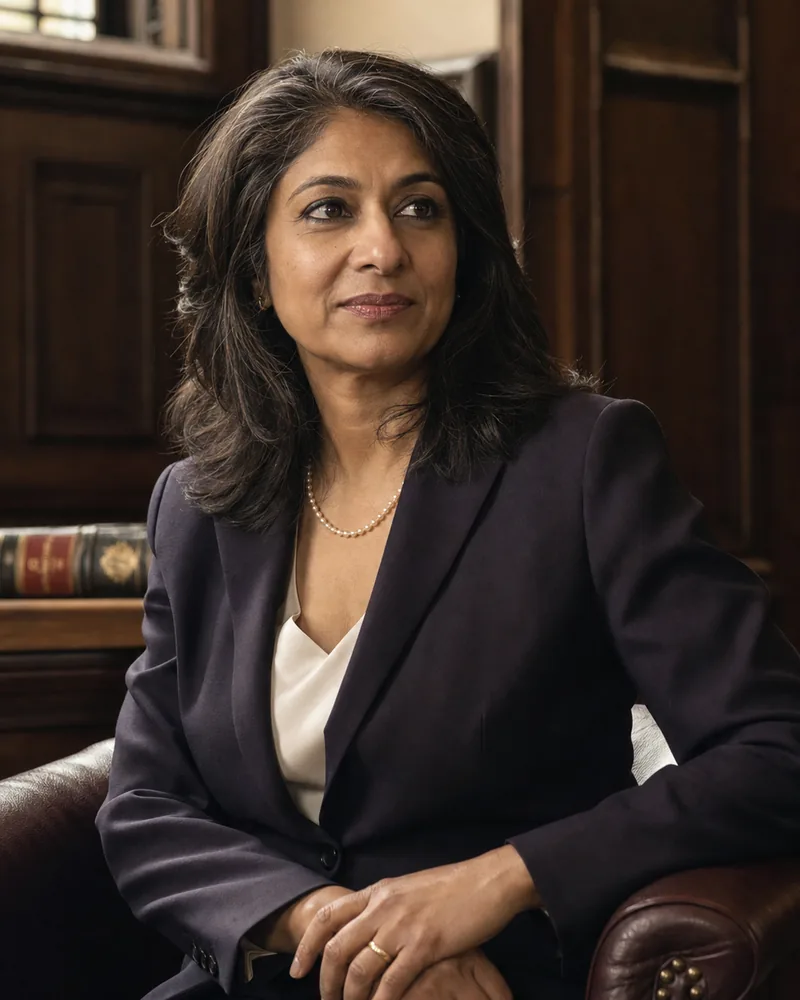
Reema Sharma
Senior Partner
Sharma Lawrence, strategy and negotiation advisory
Reema Sharma co-founded Sharma Lawrence, a small advisory practice on strategy and commercial negotiation, after fourteen years inside a global consulting firm where she ran the M and A practice for the Europe, Middle East and Africa region. She trained as a barrister at Lincoln's Inn before moving into commercial advisory work in her late twenties, and has led negotiations on transactions ranging from a half-billion-pound disposal to a small partnership unwind that mattered more to the principals than the headline number suggested.
She co-tutors Negotiation in Practice with Tomas Eriksson, and her cases tend to be the ones participants quote back at us a year later. She lives in Bath and chairs a small theatre trust there.
The most expensive thing in any negotiation is a principal who has not yet decided what they actually want.