№ 03The Faculty
Ellis Caine.
Independent Technology Commentator, Formerly Financial Times.
On technology, attention, and the difference between an upgrade and a decision.
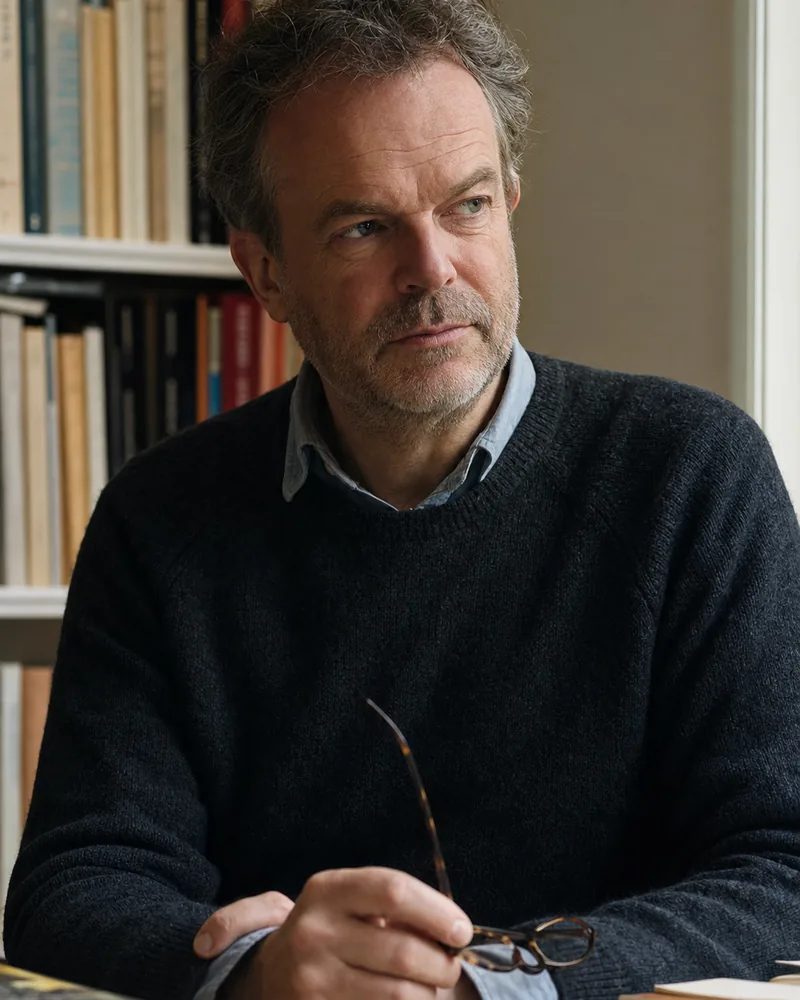
An upgrade is something a vendor sells you. A decision is something you make yourself, often after the upgrade has happened.
The work
Ellis writes a fortnightly column for an industry publication he will not name on the record and a private newsletter for about two hundred senior operators in technology, banking, and the public sector. The newsletter runs to about fifteen hundred words an issue and goes out on Sunday evenings, in time to be read before Monday. Subscribers pay an annual fee that he sets, deliberately, to be uncomfortable. He takes one full-day advisory engagement a month and does not consult on retainers. He chairs our Considered Executive masterclass and convenes the annual technology roundtable at the October conference.
Background
He spent fourteen years at the Financial Times, the last six as technology editor, covering the period during which the technology beat became a beat about everything else. He took voluntary redundancy in 2022 to do what he is doing now. He read history at Cambridge and is still, twenty-five years later, writing the small Cromwell book he started in his final year. There is no publication date.
Before the FT he reported on monetary policy for a wire service and before that he taught secondary school history for two years in a town in Lancashire that is in the column more often than people realise. His writing carries the trace of the school terms: long sentences, plain words, and a discipline about not using a technical term until he can explain it in his own mouth.
Signature contribution
Ellis is known, in technology editorial circles, for a particular refusal: he will not endorse a product, a vendor, or a roadmap in print. He will write at length about what a technology does, who it is built for, and what its costs are; he will not say buy this. The discipline is unusual enough in the industry that it has cost him three speaking circuits and won him the trust of about a hundred chief information officers who buy his time on that basis.
His thesis, which he has been working out in public for about three years, is that the senior question is no longer which technology to buy. It is which decisions you intend to make less of, by handing them to a system, and which you intend to make more of, by spending the freed time. The thesis is harder than it sounds. The masterclass exists because most organisations stall at the second half of that sentence.
In practice
On any given Tuesday Ellis is reading three vendor briefings and ignoring two of them. He keeps a paper notebook in which he tracks the working assumptions of three named CIOs across a year; the notebook is private, the practice is old, and the value is in noticing when a CIO has changed their mind about something without quite saying so in public. He does about forty hours of reading a week and about ten hours of writing. The arithmetic shocks people who haven’t done editorial work.
The interesting question about any new technology is not what it lets you do. It is what it lets you stop doing, and whether you actually stop.
Outside the work
He lives in London Fields with a cat he has owned for nine years and an ageing bicycle. He cooks one ambitious meal a week and otherwise eats badly. He swims in Hampstead Heath ponds, not on principle, on routine. He keeps a Saturday rule about reading no technology coverage and breaks it about half the Saturdays.
The senior operators I respect spend about a third of their week reading things they did not have to read. That is the discipline.